In March 2026 Reporters Without Borders and Ukraine's Foundation "Union" published a drone-safety guide for journalists working near the front. Read as a sensor assessment, it says something the counter-drone industry should hear. The handheld detectors reporters rely on cannot see fibre-optic drones, and the guide's own fallback is the human ear. This report sets out what each drone sounds like, where personal detectors fail, and what acoustic detection could add.
Published
August 2026
Subject
Drone threat to journalists, and the limits of personal detectors
Source base
RSF and Foundation "Union" safety guide (March 2026), RSF statements, Ukrainian defence press
Method
Read the guide as a sensor assessment; compare detector coverage with acoustic cues
Verdict
Personal RF and video detectors cannot see fibre-optic FPVs; acoustic sensing is the missing layer
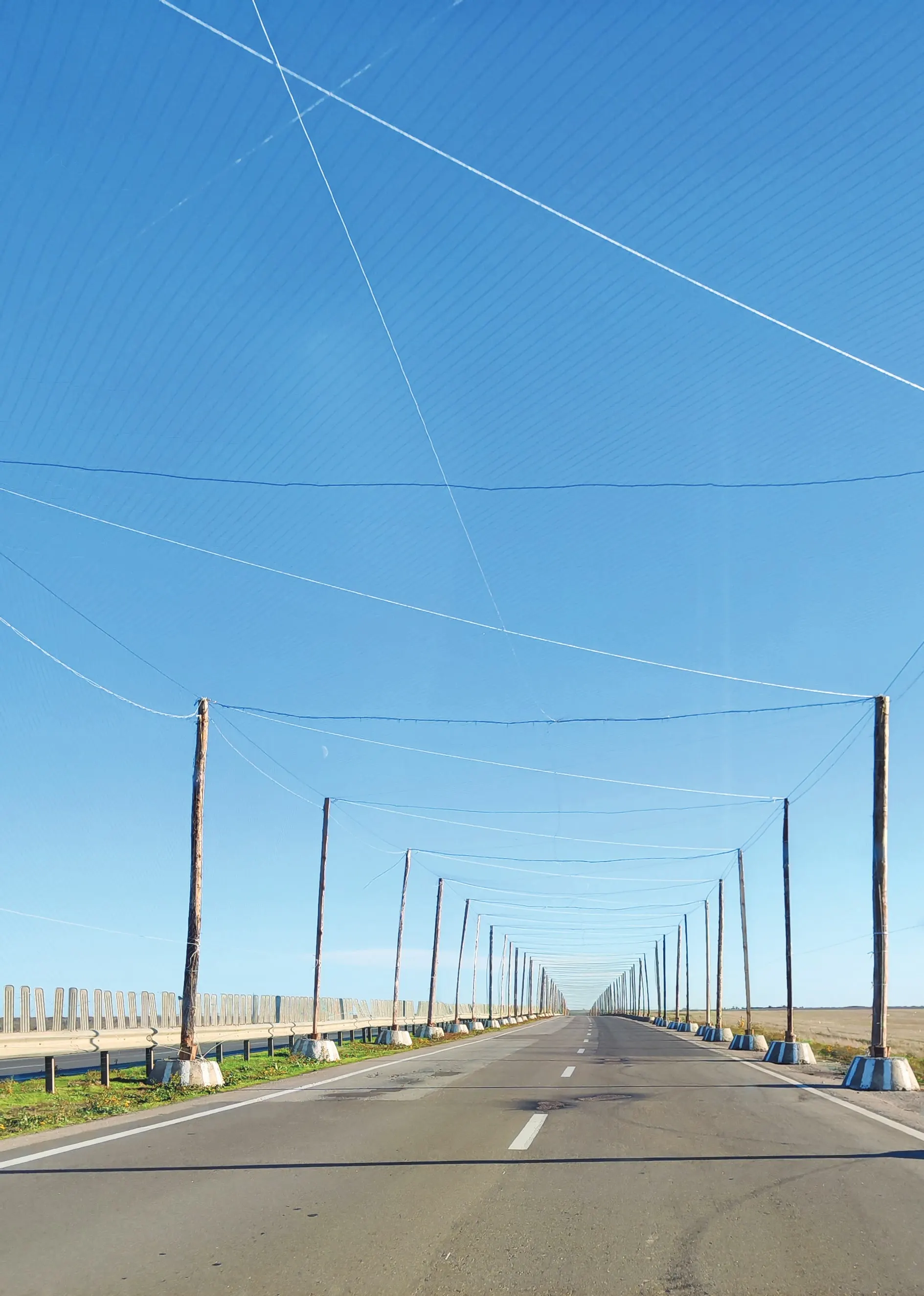
Photo: Anti-drone nets on the road to Kherson · Foundation "Union" · RSF guide
Bottom line
The handheld detectors that frontline journalists carry cannot see the drone that is now spreading fastest. A March 2026 safety guide from Reporters Without Borders (RSF) and Kherson's Foundation "Union" says fibre-optic FPV drones are invisible to personal radio-frequency (RF) and video-intercept detectors, and can only be spotted by eye or by ear. Much of the guide's practical advice is in effect a listening drill: stop and listen, keep car windows open, switch the music off, wear hearing protection that amplifies quiet sounds. Read as a sensor assessment, the guide shows the gap clearly. RF covers drones that transmit, video intercept covers analogue FPVs, and nothing a reporter can carry covers the cable-guided drone. Sound is the one signature it cannot hide, which makes acoustic detection the obvious layer to add, for people as well as for bases.
3
journalists killed by Russian drones in October 2025◆ all in Donetsk region, per RSF
¾
of ~70 surveyed journalists targeted or threatened◆ RSF questionnaire, autumn 2025
3–7 s
from an FPV diving at you to impact◆ RSF guide's estimate
0
personal RF or video detectors that see a fibre-optic FPV◆ per the guide; only sight or sound will
Key questions
Can drone detectors detect fibre-optic FPV drones?
No. Personal RF and video-intercept detectors read the radio spectrum, and a fibre-optic drone is controlled through a cable and transmits nothing. RSF's 2026 safety guide says these drones can only be detected visually or by sound.
How do you detect a fibre-optic drone?
By sight, if you can spot the thin cable, or by sound: its propellers whine like any FPV's. Acoustic sensors such as Ukraine's Zvook NW0 claim to detect them at 150–450 m.
How can journalists protect themselves from drones near the front line?
RSF's guide advises carrying both RF and video-intercept detectors, listening actively (car windows slightly open, music off), keeping close to cover and treating every drone as hostile, while remembering that no detector sees fibre-optic drones.
The Ruler — the whole argument
What you will hear, and what your detector will catch
The RSF guide describes the main drone types a reporter meets near the front, including what each one sounds like. Set next to the guide's account of personal detectors, the coverage gap is plain.
Drone — guide's figures
What it sounds like (per the guide)
Caught by a personal detector?
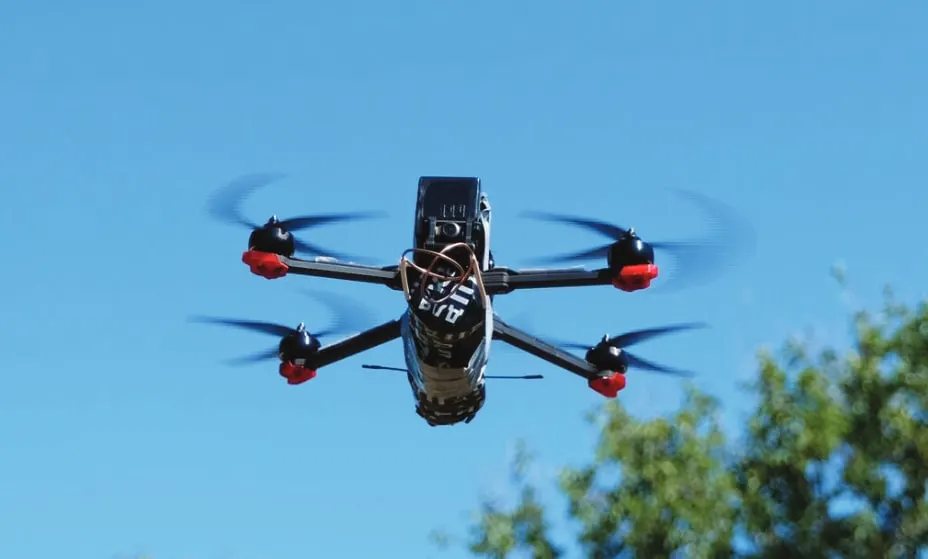
Commercial quadcopterMavic-type, up to 75 km/h
High-frequency buzz, like bees or insects
Often: RF detectors mainly pick up reconnaissance drones
FPV strike drone80–150 km/h
Piercing whine, like a dental drill
Only analogue video links; not digital systems
Fibre-optic FPVup to 50 km on a cable
The same whine as an FPV
No. Only by sight or sound
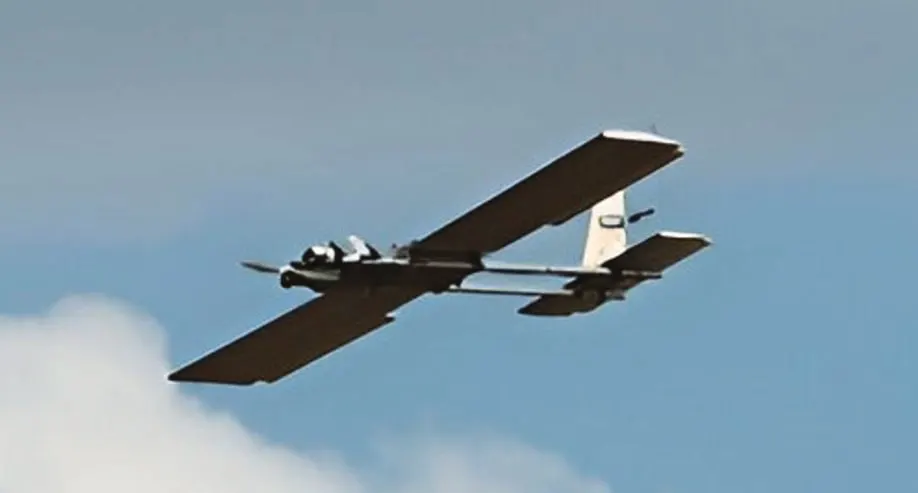
Molniyaplywood fixed-wing, 60–80 km/h
Electric hum, like a big fan or distant chainsaw
Not stated in the guide
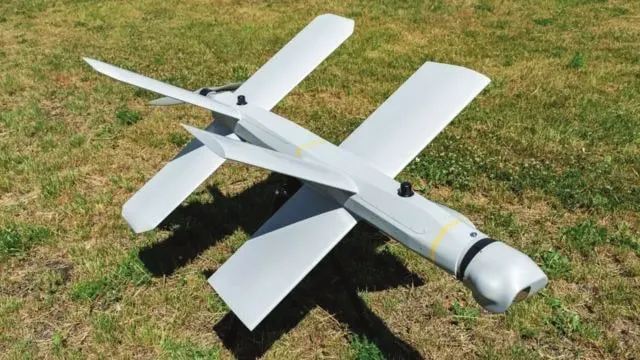
Lancetup to 300 km/h
Practically inaudible until the dive
Not stated in the guide
Reconnaissance fixed-wingZala, Supercam, Orlan-10
Monotonous lawnmower rattle, high up
Yes: the main target of RF detectors
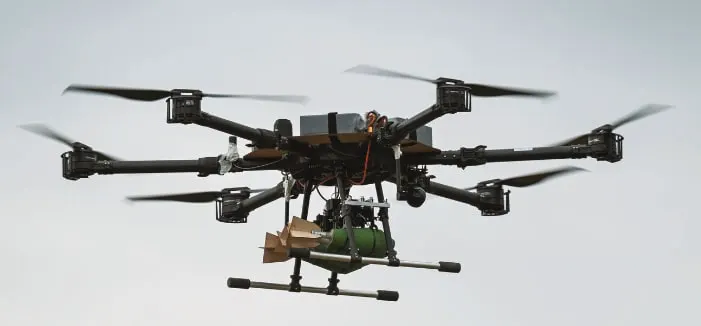
Heavy night bomberlarge multirotor
Low, heavy hum, heard from a distance
Not stated in the guide
Blind spot for every personal detectorFigures and sound descriptions are the guide's own, paraphrased
Field 01 — The threat
Why reporters need a drone guide at all
RSF reports that Russian drone attacks killed three reporters in October 2025, all in the Donetsk region: French photojournalist Antoni Lallican and Ukrainian reporters Alyona Hramova and Yevhen Karmazyn. In an RSF questionnaire sent to around 70 Ukrainian and international journalists in autumn 2025, three quarters said they had been targeted or threatened while reporting. Donetsk, Kherson, Kharkiv and Sumy were named the most dangerous regions.RSF
The guide, published on 30 March 2026, was written with the Union foundation, with technical support from Ukraine's Institute of Mass Information and funding from the European Union. It starts from a stark change. In 2022 artillery was the main threat to reporters near the front. By 2026 it is drones, and the strip 10–20 km from the line has become a "kill zone" in which anything that moves can be found and attacked from the air.RSF guide Its focus is the small drones Russian pilots fly in real time through goggles, not the pre-programmed Shahed.
Kherson, March 2026 — a civilian van after a drone strike
A food delivery vehicle hit by a Russian drone. The guide's advice for vehicles starts with being able to hear one coming.
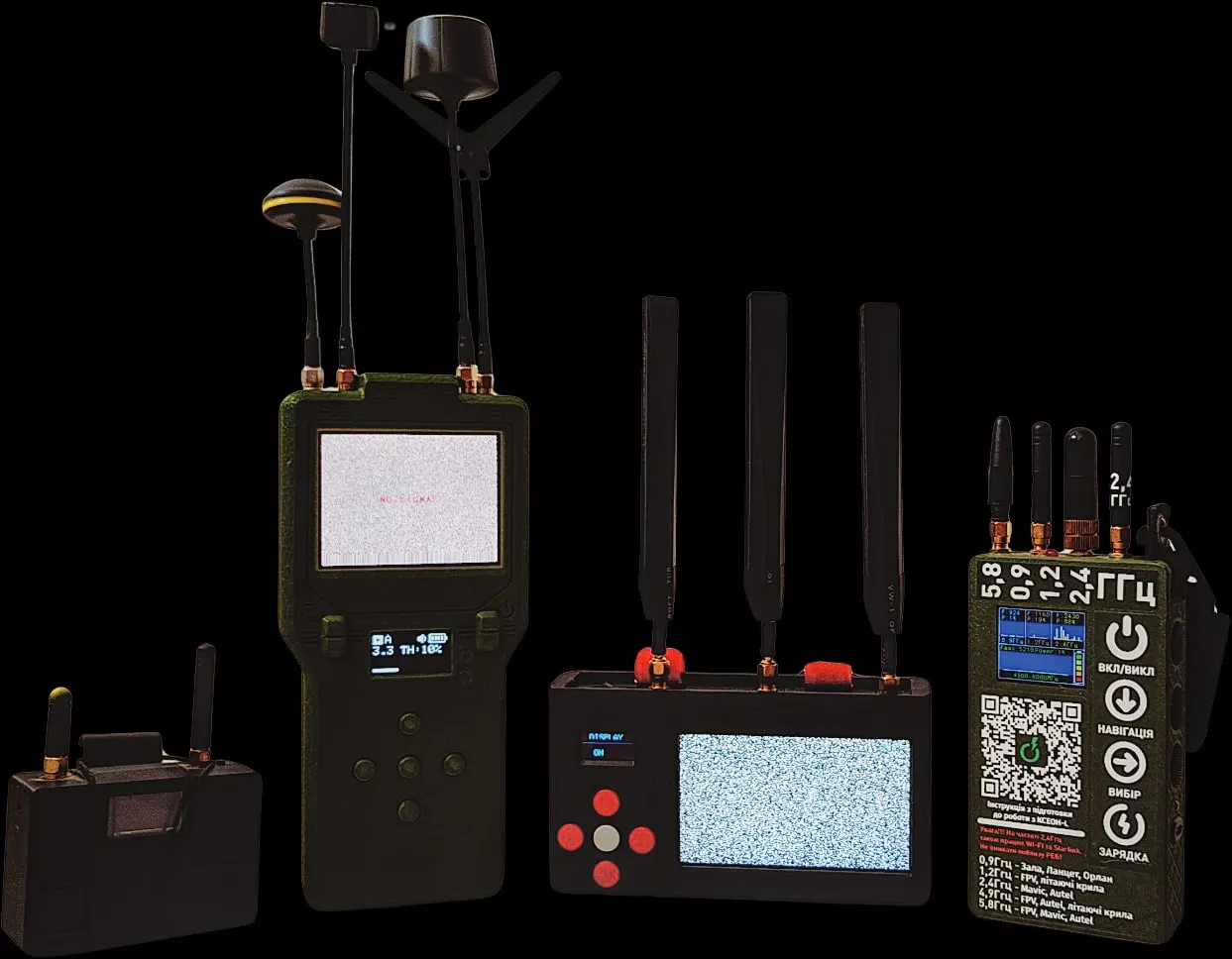
The guide calls a personal drone detector "critically important" and tells reporters to keep one switched on at all times. It describes two types, and recommends carrying both.RSF guide
RF detectors scan the radio bands drones use. They give warning at 2–5 km, weigh 150–400 g and use little power. They mainly catch reconnaissance drones, give false alarms in cities from Wi-Fi, and do not show what the drone is looking at.
Video-intercept detectors pick up an FPV's video feed and show the operator's own view, so a reporter can see whether they are the target. They are heavier and more power-hungry, mostly work only with analogue FPV links, and usually miss reconnaissance drones.
Both share the same limit: neither detects fibre-optic FPVs, or any drone with its transmitter switched off. The guide states it plainly in its checklist, asking reporters to confirm that they understand "the detector does NOT detect fibre-optic FPV drones." It also warns that real-world range in built-up areas can be shorter than the manufacturer claims.
Personal drone detectors — RF scanners and video interceptors
Both types read the radio spectrum. A drone flying on a cable gives them nothing to read.
RF detectors hear transmitters, and video interceptors read video feeds. A fibre-optic FPV sends neither, but it still has to spin its propellers.
Field 03 — A field guide to drone sounds
The ear as the backup sensor
The guide is unusual in giving reporters a description of what each drone sounds like. The descriptions are subjective, but they line up with the physics. Small, fast propellers produce high tones, and larger propellers and combustion engines produce lower ones that carry further. (Our report Every Drone Has a Voice explains why.)
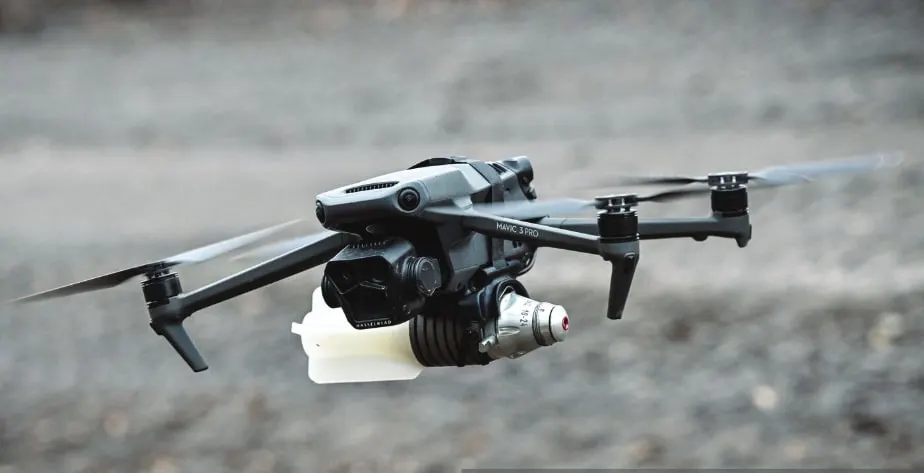
Mavic-type quadcopters hover and drop grenades; they buzz "like bees or insects." The guide says a hovering drone overhead means a drop is likely.
FPV strike drones fly at 80–150 km/h, sometimes faster, with a whine "resembling a dental drill." When one is diving straight at someone, the guide estimates 3–7 seconds to impact.
Molniya plywood fixed-wing drones hum like "a large fan or a distant chainsaw."
Lancets attack from high altitude and are "practically inaudible" until the dive.
Reconnaissance aircraft make a "lawnmower-like rattling" high in the sky. They do not attack, but the guide warns that artillery or an FPV strike often follows within minutes.
Heavy night bombers produce "a low, heavy hum audible from a distance."RSF guide
Quadcopter with a drop munition — the insect buzz
Hovers, waits, then drops. Heard as a high buzz overhead.
The fibre-optic FPV looks like any other FPV but trails a thin cable behind it. The guide gives it a range of up to 50 km and says electronic warfare is useless against it, because there is no radio link to jam.RSF guide Ukrainian manufacturers have put 25–30 km spools into production, and 50 km remains experimental.Taifun Russia has used these drones in cities well behind the front, including Kramatorsk in October 2025.Euromaidan Press
For a reporter, that leaves two ways to detect one: spot a hair-thin filament against the sky, or hear the whine. The first is close to impossible while working; the second depends on attention, hearing and quiet.
Kramatorsk, October 2025 — the operator's view
A Russian fibre-optic FPV searching for a target between apartment blocks. No radio signal, so no detector alarm.
A large part of the guide's practical advice exists to protect one sense: hearing.RSF guide
On foot: if you hear a drone but cannot see it, stop and listen to work out its direction before moving to cover.
In a vehicle: keep the windows slightly open (2–5 cm in the checklist) and the music off, so an approaching drone can be heard.
Equipment: active hearing protection that amplifies quiet sounds, like an approaching drone, while blocking explosions.
Teams: appoint a "sky watcher" to scan the sky and monitor the detector.
This is sound advice, and it shows the problem. The human ear is being asked to do a sensor's job. It is our assessment that it does that job unreliably in exactly the conditions where it matters most: inside a moving vehicle, in wind, after hours of fatigue, or after a blast. People are poor at judging the direction of a sound overhead, and the guide's own figure of 3–7 seconds from a diving FPV leaves almost no time to work it out.
Field 06 — What acoustics could add
Hearing that does not get tired
Machines are already doing this job at fixed sites. Ukraine's acoustic networks listen for drones from masts and towers, and Zvook's NW0 sensor claims to detect FPVs, fibre-optic types included, at 150–450 m.Militarnyi (See Listening to the Sky for how those networks work.) The next step is to make them mobile. In August 2026 Zvook tested its sensors on a moving vehicle for the first time, at NATO's BATT26 exercise in Latvia with the Latvian armed forces. The company said, "It worked. Not perfectly." Independent results have not been published.United24 Media
For journalists, medics, aid workers and other civilians near the front, a useful acoustic detector would need to do what the ear cannot:
Listen all the time, without tiring and without needing quiet.
Separate drone sound from the vehicle's own noise and the wind: the hardest engineering problem on the move.
Classify what it hears (FPV, quadcopter, reconnaissance aircraft) so the alert says how much time is left.
Give a direction, so the response is "take cover on the left", not just "drone somewhere".
Sit alongside RF and video detectors, not replace them: each covers drones the others miss.
Heavy night bomber — heard before it is seen
Flies at night on thermal cameras. Its low hum carries further than any small drone's.
High confidence that personal RF and video-intercept detectors cannot detect fibre-optic FPVs. The RSF guide states it, the physics requires it, and Ukrainian reporting on fibre-optic drones agrees.
Moderate confidence in the speeds, ranges and sound descriptions, which come from the guide and are general field guidance, not measurements.
Low confidence, flagged as our assessment: how reliable unaided human hearing is under frontline conditions, and how well portable or vehicle-mounted acoustic detectors will perform. No independent field results have been published.
What would change it: published trial data for mobile acoustic detectors, or personal detectors that sense fibre-optic drones by some other means.
Close — what it means
The last warning is a sound
The RSF guide was written to keep journalists alive, not to assess sensors. That makes its implicit verdict more telling. The tools a civilian can carry cover the drones that transmit, and the drone spreading fastest does not transmit. What is left is the sound of its propellers, picked up today by tired human ears through a half-open car window.
That gap applies well beyond journalism. Medics, aid convoys, utility crews and soldiers all face the same cable-guided drones with the same radio-based detectors. Acoustic detection is the one passive technology that hears the threat RF detection is blind to. It belongs in fixed networks, and increasingly on vehicles and people.
At DroSonic we work on exactly this: passive acoustic drone detection that listens all the time, classifies what it hears and emits nothing. RSF's guide puts the case in one line: these drones can be detected only visually or by sound. We are building the sound part.